When someone passes away in Florida, the question of who gets what can catch families…

The practice of estate planning is evolving due to changing family structures. Thirty years ago, a traditional family consisted of a man and a woman who lived together, bought a house, had children, and worked to achieve financial stability and security. The number of married couples in American households dropped from 79.8% in 1949 to 47.3% in 2021.
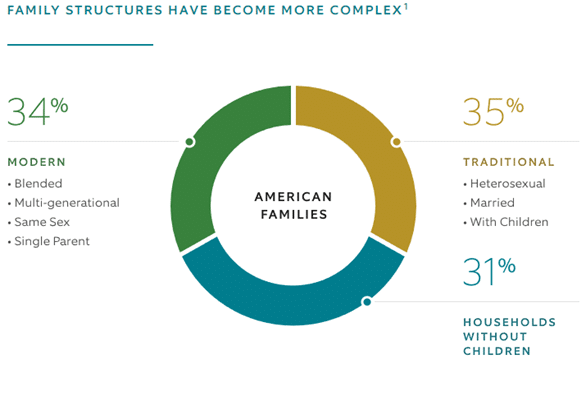
The rise of blended families, cohabitating couples, artificial reproductive technology, same-sex marriages, and other trends mean only one-third of American households are “traditional” families. The other two-thirds are non-traditional families experiencing unique needs that challenge current estate planning models.
Why Modern Families Need Modern Estate Plans
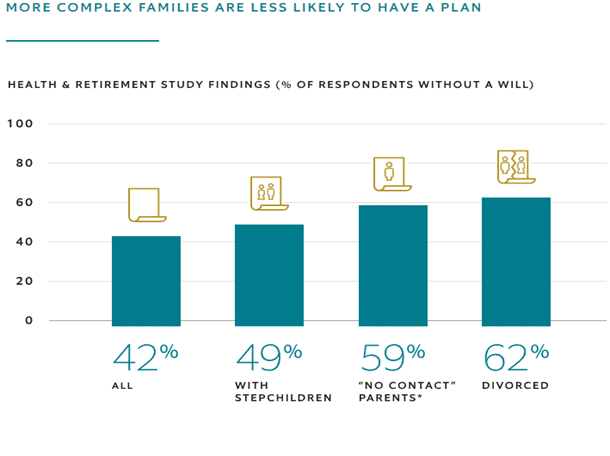
More complex family structures tend to avoid estate planning. However, the absence of planning can lead to an increase in needlessly squandered assets. These assets may be lost to estate taxes or family disputes over inheritance.
Dying without a will (intestate) means your estate will go through probate. It will also follow the state’s intestacy laws, which currently do not favour unmarried partners and step-children.
The American Bar Association provides information about estate planning and the importance of preparing documents that reflect your personal circumstances.
Fortunately, proactive planning with an estate attorney can help build a modern estate plan. This can provide the best outcomes for the legacy and security of your non-traditional family.
Blended Families
In particular, if you divorce, remarry, have additional children and grandchildren, or experience other significant changes in your family dynamics, do not delay creating or updating your estate plan.
The decision-making process around specific assets, beneficiaries, and transferring wealth during family changes may feel overwhelming. Your estate planning attorney is there to guide and support you.
Updating your plan can help avoid unintended consequences, including:
- Strained family relationships
- Wasted financial resources
- Unintended beneficiaries receiving assets
Conventional estate planning tends to favour traditional family structures and equal wealth bequests. However, this may not reflect your intentions in a blended family with step-children.
Creative solutions that reflect your contemporary family structure can successfully address these issues. Customising your plan to meet your unique needs makes more sense.
Pre- and Postnuptial Agreements
Clarify your needs using pre- and post-nuptial agreements if you intend to remarry.
A new spouse needs to understand how you intend to distribute your assets to:
- Your children
- Mutual children
- Your spouse’s children
- Other beneficiaries
Early agreement on critical decisions about estate and gift tax exemptions can prevent future problems.
A family law attorney can work with your estate planning attorney to ensure the agreement structure complements your intentions regarding your estate.
Trusts and Other Strategies
In a blended family, you may consider alternative strategies to transfer wealth.
Using trusts as part of your estate plan can provide greater control over how and when assets are distributed to beneficiaries.
If you choose to remarry, you may promote better family relationships by providing lifetime gifts to your children rather than relying only on after-death bequests.
You can also use payable-on-death accounts, which transfer directly to the beneficiary outside of your will and any trusts if necessary.
Important Trust Considerations for Modern Families
When creating trusts, expand and clarify estate planning provisions and consider potential issues that may easily be overlooked, including:
- Future family changes: Consider scenarios where your children enter into a committed relationship without marriage and have children.
- Choosing representatives or trustees: Representatives or trustees may not share or understand your goals for future beneficiaries. For example, if you create a trust for grandchildren, will you include future step-grandchildren or those born from artificial reproductive technology? Will a biological trustee follow through with your wishes for non-biological children, or do you need a neutral third party?
- Cultural, religious, and personal values: Consider whether your estate planning documents reflect your inheritance wishes and end-of-life preferences. Do your trust provisions, investments, and discretionary distributions align with your values?
- Investment preferences: If you are against fossil fuels, will you limit trust investments to permit only green energy investments? Do you have specific political views or particular people you do not want receiving any of your assets indirectly?
- End-of-life wishes: Does your end-of-life plan reflect your spiritual beliefs and personal preferences?
Protecting Your Family Through Careful Estate Planning
If your family system is non-traditional, be aware that most US laws and estate planning practices tend to favour a traditional family structure.
Without careful planning, this can leave some of your loved ones overlooked.
Understanding these default favouritisms and standards can help you think carefully about specific provisions for your non-traditional family.
Creating a comprehensive estate plan allows you to make decisions about your assets, beneficiaries, healthcare wishes, and future generations.
Open discussions with your family and estate planning attorney can help you craft a better and more representative plan suited to your family’s needs.